
Cervicalgia and Traditional Chinese Medicine: A Natural Approach to Relieving Neck Pain

Updated: Aug 31
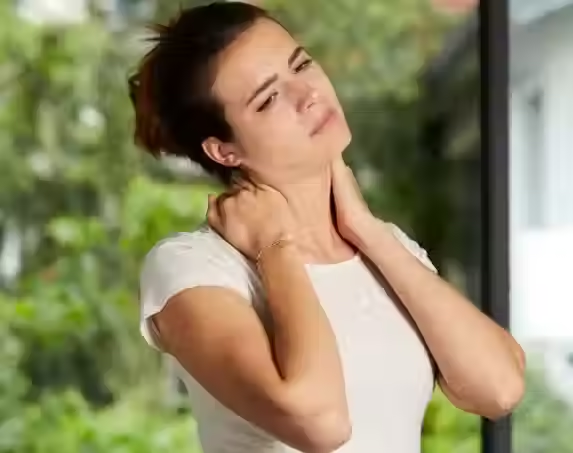
Cervicalgia, commonly known as neck pain, affects a large number of people today. Long hours spent in front of screens, poor posture, stress, lack of physical activity, and accumulated tension from daily life are all factors that can contribute to its development. For those experiencing acute or chronic neck pain, Traditional Chinese Medicine (TCM) offers a holistic approach that aims not only to relieve symptoms but also to address their underlying causes.
Understanding Cervicalgia
Cervicalgia refers to pain located in the neck and cervical spine region. It can be temporary or become a long-term condition. Depending on the individual, symptoms may include:
Neck stiffness
Difficulty turning the head
Headaches
Pain radiating into the shoulders or arms
Muscle tension
Fatigue or sleep disturbances
In modern society, prolonged use of computers, smartphones, and other digital devices has significantly increased the prevalence of neck pain. Emotional stress can also play a major role by causing persistent muscle contraction in the neck and shoulder area.
The TCM Perspective on Neck Pain
In Traditional Chinese Medicine, pain is often viewed as a disruption in the smooth circulation of Qi (vital energy) and Blood throughout the body's meridians.
When this circulation becomes blocked, stagnation may occur, leading to pain, tension, and restricted movement. Several factors may contribute to cervicalgia:
Qi and Blood Stagnation
Stress, emotional strain, and chronic muscle tension can impair the circulation of Qi and Blood, resulting in persistent neck pain and stiffness.
Invasion of Wind and Cold
According to TCM theory, exposure to drafts, air conditioning, or cold weather can allow external pathogenic factors such as Wind and Cold to invade the body. This may cause acute neck pain, stiffness, and muscle spasms.
Energy Deficiencies
For some individuals, especially those experiencing chronic fatigue or age-related decline, deficiencies in Kidney energy or Blood may make the cervical region more vulnerable to recurrent pain and discomfort.
How Can TCM Help?
Acupuncture
Acupuncture is one of the most widely recognized therapies within TCM. By stimulating specific points along the meridians, acupuncture aims to restore the balanced flow of Qi and Blood.
Many patients report reduced pain, improved neck mobility, and a greater sense of relaxation following a series of treatments.
Cupping Therapy
Cupping is often used to release muscle tension and improve local circulation. It can be particularly beneficial for cervicalgia associated with tight muscles in the neck and shoulders.
Tuina Massage
Tuina is a therapeutic Chinese massage technique that combines pressure, mobilization, and stretching methods. It helps relieve muscular tension, improve circulation, and restore mobility in the affected area.
Lifestyle and Preventive Advice
Prevention is a fundamental aspect of Traditional Chinese Medicine. A practitioner may recommend personalized strategies related to:
Workplace ergonomics and posture
Stretching and mobility exercises
Stress management
Physical activity
Dietary habits
The goal is to address the factors that contribute to recurring neck pain and promote long-term well-being.
Commonly Reported Benefits
A TCM-based treatment plan may help:
Reduce neck pain and discomfort
Relieve muscle tension
Improve range of motion
Ease associated headaches
Enhance sleep quality
Reduce the physical impact of stress
Because TCM treats each individual according to their unique pattern of imbalance, treatments are highly personalized.
When Should You Seek Professional Help?
It is advisable to consult a healthcare professional when neck pain becomes recurrent, interferes with daily activities, or is accompanied by significant stiffness.
Certain situations require prompt medical evaluation, including neck pain following trauma, loss of strength in the arms, significant numbness, or neurological symptoms.
In these cases, TCM can serve as a complementary approach alongside conventional medical care when appropriate.
Conclusion
Cervicalgia is one of the most common musculoskeletal complaints today. Through its holistic perspective, Traditional Chinese Medicine seeks not only to relieve pain but also to identify and address the underlying imbalances that contribute to it.
By combining acupuncture, cupping therapy, Tuina massage, and personalized lifestyle recommendations, TCM offers a natural and comprehensive approach that may help improve comfort, mobility, and overall quality of life for individuals suffering from neck pain. Its emphasis on prevention and whole-body balance makes it a valuable option for those seeking long-term wellness and sustainable pain management.
Read more
Discover our Chinese medicine consultations.
Comments